End-User Support Protocols
Structured methods for addressing user-reported issues through defined channels and resolution procedures.
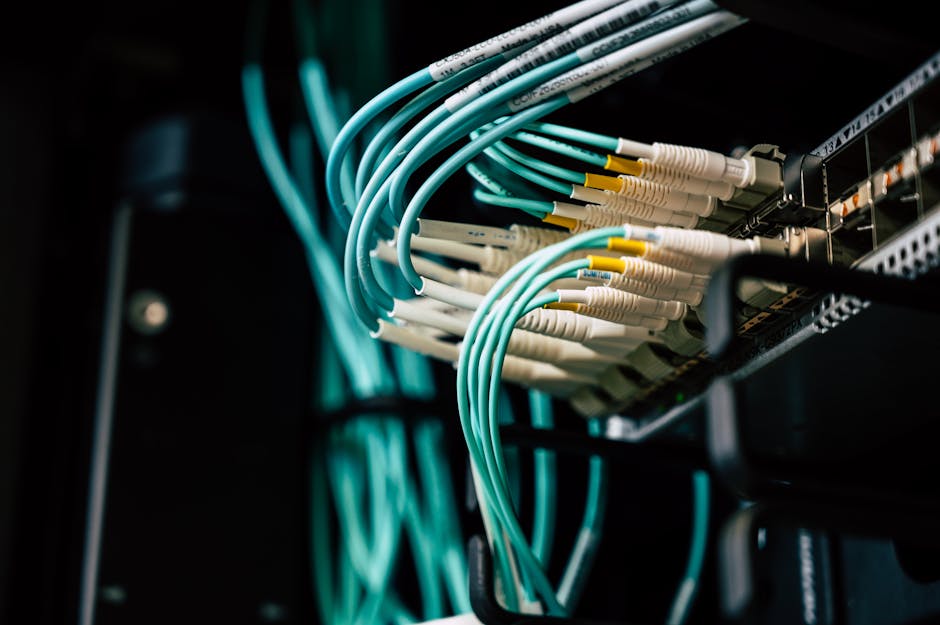
This page presents the scope of IT support and infrastructure solutions. It outlines methodologies for maintaining business technology systems, including ongoing support frameworks, server monitoring processes, and network administration structures. The information describes various approaches available for consideration.
Request InformationThe management of information technology involves several interconnected frameworks. One common approach involves the establishment of support protocols for end-user assistance, which can include help desk ticketing systems and remote troubleshooting procedures. Another area of focus is physical and virtual server infrastructure, which requires monitoring and maintenance schedules. Network administration constitutes a separate layer, involving the configuration and oversight of connectivity and security parameters. These elements are often considered in combination to address various operational contexts.
Structured methods for addressing user-reported issues through defined channels and resolution procedures.
Approaches to observing system performance, health metrics, and applying scheduled maintenance updates.
Frameworks for managing connectivity, access controls, and data flow across organizational networks.
Information on common practices for backup cycles, access management, and threat mitigation protocols.
Infrastructure management encompasses a range of technical processes. These can include the deployment of monitoring tools to track server resource utilization and application performance. Network management often involves the use of software to map topology, monitor traffic patterns, and configure devices. The implementation of backup procedures is another documented practice, involving regular data duplication to separate storage media. Documentation of configurations and changes is frequently cited as a component of systematic infrastructure oversight. The combination of these practices forms a common management model.
A review of existing systems, software inventories, and network configurations to establish a baseline understanding.
The setup of software agents and dashboards to provide visibility into system status and performance metrics.
The configuration of communication methods, such as ticket portals or contact points, for reporting technical issues.
Scheduled analysis of system reports, incident logs, and performance data to inform potential adjustments.
The support structure provided a clear point of contact for our team's technical inquiries. We observed the implementation of a ticketing system that organized our requests.
Our office's transition to managed network oversight involved detailed documentation of our existing setup. The regular reporting offered visibility into our connectivity status.
The server monitoring approach included scheduled checks that were documented for our review. We noted the availability of performance data through an online portal.
IT support frameworks typically consist of several integrated elements. The help desk function is one such element, often operationalized through software that categorizes and routes user queries. This can be complemented by remote access tools that allow technicians to view user screens for troubleshooting purposes. On the infrastructure side, server management involves both hardware considerations, like environmental conditions in data closets, and software aspects, such as patch management cycles for operating systems and applications. Network solutions may address both local area connectivity within an office and wider area connections to external services and the internet. Security protocols frequently involve layered approaches, combining perimeter defenses with internal access controls and data encryption methods where applicable. The specific combination and prioritization of these components vary based on the operational environment and the technology stack in use.
For further details regarding our IT support and infrastructure management frameworks, you may submit an inquiry below.
230 Peachtree Street NE, Suite 800, Atlanta